SouthOrbit Field Notes: Inside the Biggest Rocket Stories of June 2026
If you blinked this month, you missed a lot. June 2026 has been one of the busiest stretches in the modern space age, and not just because of the sheer number of rockets leaving the pad. The story underneath the story is bigger: the company that defined the reusable rocket era just became a publicly traded one, a brand-new heavy-lift competitor stumbled in a very public way, and the industry's most ambitious next-generation vehicle took a genuine step toward the kind of rapid reuse that could make space access dramatically cheaper. Here's what's actually happened, what it means, and why it matters even if you're watching from Cape Town rather than Cape Canaveral.
SpaceX Goes Public — And Launches a Rocket While Doing It
For more than two decades, SpaceX has been the most consequential private company in spaceflight without ever selling a single share on the open market. That changed on June 12, 2026, when SpaceX's stock began trading on the Nasdaq for the first time, with the company offering 555.6 million shares at $135 each and raising roughly $75 billion in the process. The resulting valuation: $1.77 trillion, instantly placing SpaceX among the most valuable companies on Earth, public or private.
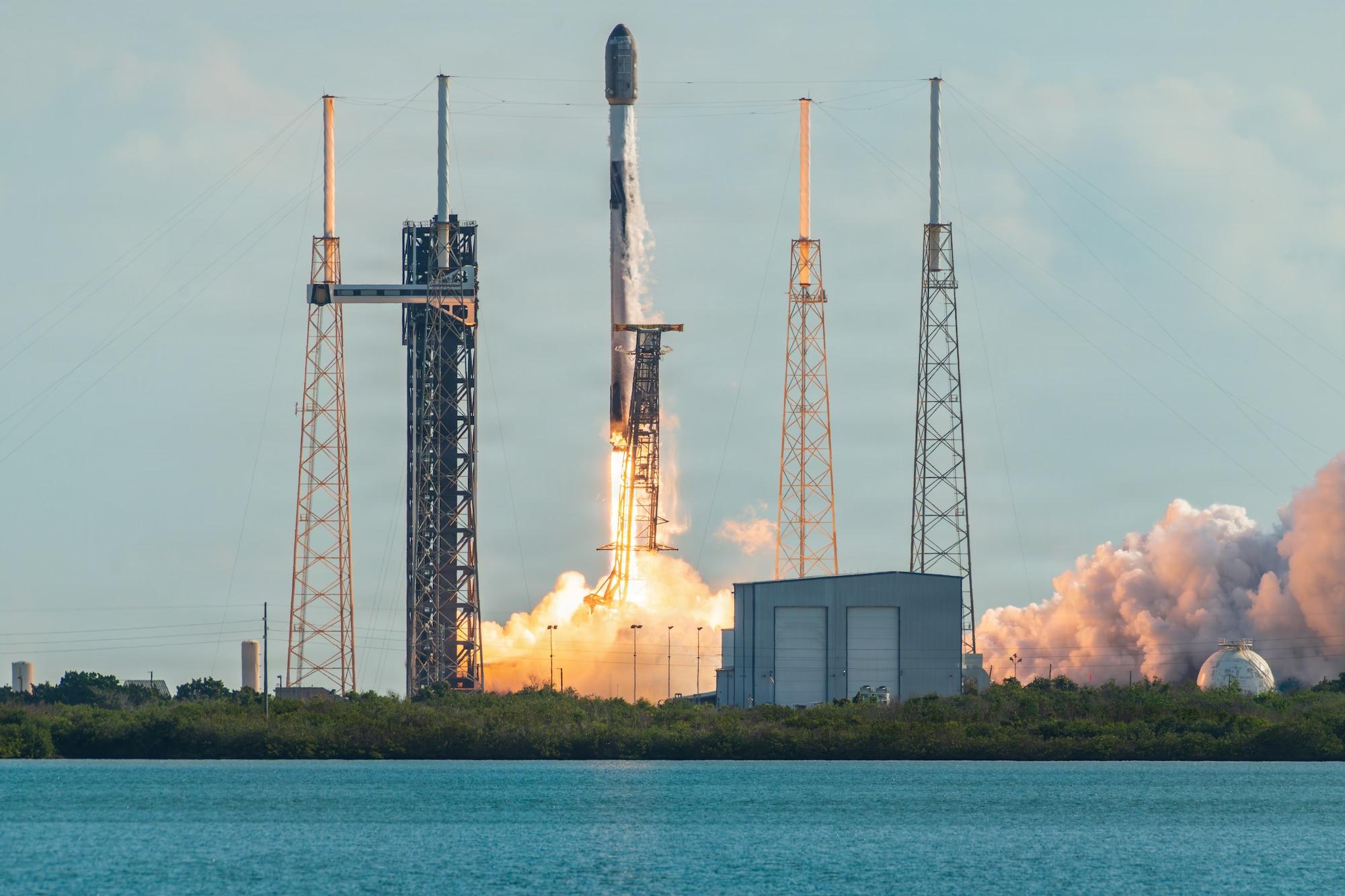
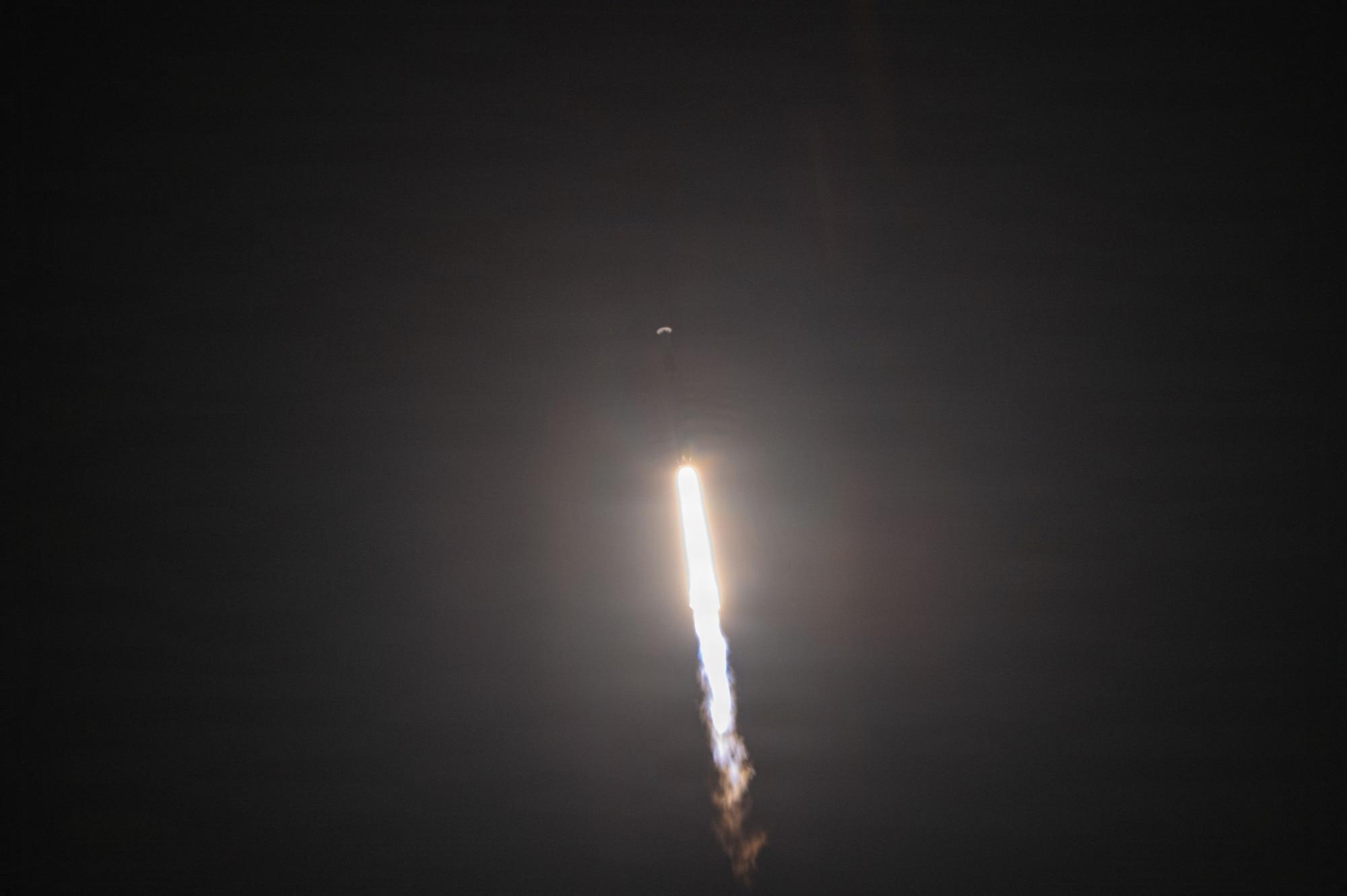
True to form, the company didn't just ring an opening bell and call it a day. Less than an hour before trading opened, a Falcon 9 lifted off from Space Launch Complex 40 at Cape Canaveral carrying 29 Starlink satellites — the 650th flight of SpaceX's workhorse launcher and the 68th Falcon 9 mission of 2026 alone. SpaceX Chief Operating Officer Gwynne Shotwell put it bluntly ahead of the bell: the company has a habit of making history, and launching a rocket on the morning of its own public debut was simply on brand.
The financial disclosures that came with the IPO offered a rare, detailed look inside SpaceX's books. The Starlink broadband business alone generated about $2 billion in revenue in 2024 and $4.4 billion in 2025 — proof that the satellite internet side of the business has matured from a side project into a primary revenue engine, arguably the one subsidizing the next great leap: Starship.
Why this matters beyond Wall Street: going public means SpaceX now has to disclose real numbers, on a regular schedule, to regulators and shareholders. For an industry that has spent years guessing at SpaceX's true launch costs, profitability, and R&D spending, that's a meaningful shift in transparency — and likely a preview of how investors will value the next generation of launch and satellite companies.
Starship V3 Takes Its First Flight — And Mostly Delivers
If the IPO was the financial headline of the month, the real engineering headline happened back on May 22, when SpaceX flew Starship Flight 12, the first test of the heavily redesigned Version 3 vehicle. This wasn't a minor refresh. V3 introduced the new Raptor 3 engines, a simplified booster structure with fewer grid fins, and a fresh launch pad — Starbase's Pad 2 — built specifically to handle the punishment of more powerful hardware.
The flight, delayed from an original target of roughly March, finally lifted off on May 22 after a scrub the day before due to a hydraulic issue. The mission saw a successful liftoff, hot staging, payload release, and a managed reentry, with the ship splashing down on two engines — though the booster suffered a boostback burn anomaly and one of the ship's vacuum-rated Raptor engines underperformed. Despite those rough edges, this is being treated industry-wide as a genuine win. The flight reached space, survived reentry, and executed a controlled descent to a splashdown in the Indian Ocean, a significant improvement over some of the earlier, more explosive chapters in Starship's test history.
Engineers got more than just a successful flight profile out of it. SpaceX deliberately pushed Ship 39 through a demanding reentry, intentionally altering or removing sections of its heat shield to study how the thermal protection system handles real flight stress, and to validate inspection techniques for future builds. Cameras mounted on the vehicle relayed live footage through the Starlink network as the ship punched through the plasma of reentry — a feat that historically would have been lost to a communications blackout.
The stakes here go well beyond bragging rights. Starship is central to NASA's Artemis lunar program and to any realistic vision of a Mars mission, but the path is genuinely difficult. A leaked internal SpaceX document reportedly targets June 2026 for a first orbital refueling demonstration, June 2027 for an uncrewed lunar landing, and September 2028 for a crewed landing attempt — and a single lunar mission could require somewhere between 10 and 40 successful orbital refueling launches in rapid succession. That single detail tells you almost everything about why "rapid reusability" isn't a marketing slogan — it's the only mathematically sane way to pull off a mission this size.
When Launches Go Wrong: The AST SpaceMobile BlueBird Story
Not every story this month was a clean win, and the launch industry's relationship with risk is worth understanding honestly. In mid-June, AST SpaceMobile launched three new BlueBird satellites — numbers 8, 9, and 10 — aboard a SpaceX Falcon 9 from Cape Canaveral. The satellites, each weighing six tons, deployed into low Earth orbit roughly 54 minutes after liftoff, a clean follow-up mission after a setback the previous month.
That setback is the more instructive part of the story. BlueBird 7 had launched aboard a Blue Origin New Glenn rocket, and while the booster itself was successfully recovered, the upper stage suffered an anomaly that left the satellite at too low an altitude to sustain operations with its onboard thrusters — and it had to be deliberately de-orbited. It's a useful reminder that even as reusability and launch cadence keep climbing, every mission still carries real technical risk, and not every customer-rocket pairing goes according to plan. AST SpaceMobile's quick recovery — getting three replacement satellites up within roughly two months — says as much about the resilience of modern satellite manufacturing as the failure says about the unforgiving nature of upper-stage engineering.
What to Watch Next
The pace shows no sign of slowing. Falcon 9 missions are stacking up almost weekly out of both Cape Canaveral and Vandenberg, with China's Long March 7A also on the schedule from the Wenchang Space Launch Site and Northrop Grumman's air-launched Pegasus XL set to fly before the month is out. Meanwhile, the industry is watching closely for the next Starship flight, the FAA's review of Flight 12's anomalies, and whether SpaceX's new status as a public company changes how openly it talks about setbacks going forward.
For South African space watchers, the throughline is clear: launch costs are trending down, cadence is trending up, and the gap between "experimental rocket science" and "routine infrastructure" keeps narrowing. That's the trend that eventually puts more African-built satellites in orbit, on more affordable rides — which is exactly the story we'll be tracking closely on SouthOrbit in the months ahead.